How to Solve the Noise Problem of Trackless Transfer Carts?
A Comprehensive Investigation and Solution for Trackless Transfer Cart Noise Issues
As essential equipment for transporting heavy materials in modern factories, electric transfer carts play a critical role in efficiently and stably moving goods. Today, trackless transfer carts have become the preferred choice for material transport in various manufacturing industries. However, during daily use, some customers have reported that electric transfer carts produce loud noises during operation, especially when carrying loads. This noise not only affects the user experience but may also indicate potential equipment malfunctions.
So, what causes the noise from trackless transfer carts? How can customers troubleshoot and resolve this issue? This article explores the sources of noise and offers practical solutions.
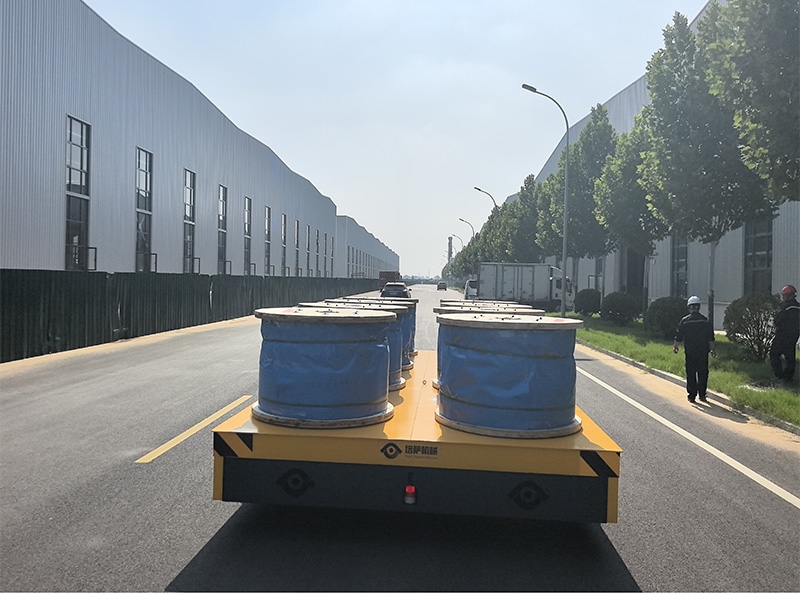
I. Analysis of Noise Sources in Battery Transfer Carts
Under normal circumstances, a trackless transfer cart will produce a slight operating noise, along with the warning buzzer or light. These sounds primarily come from the motor and from the friction between the wheels and the ground. When the cart is loaded, the noise can increase significantly—especially if a harsh metallic sound or vibration is heard—which often signals a component failure.
Based on real cases and repair experience, noise commonly originates from the following sources:
1. Wheel Installation and Gear Meshing Issues
During assembly, wheels are installed manually. Improper or uneven assembly, or screws that are too loose or too tight, can affect how the wheel gears mesh with the reducer, resulting in loud noises.
Solution:
Gear meshing on new carts may take some time to stabilize. Check for gear wear and apply industrial lubricant to help with the break-in process and reduce noise.
If the noise persists, check whether the gear meshing is smooth. Identify any deviations caused by improper assembly. Reassemble the reducer and re-tighten the wheel screws evenly.
If the problem remains unresolved, the gear or reducer may be faulty. Rotate the reducer in both directions to diagnose the issue, and contact the manufacturer for replacement parts if necessary.
2. Reducer Oil Shortage or Poor Lubrication
The reducer is a key component that connects the motor to the drive system. Insufficient or degraded lubricant can cause poor gear meshing and loud, harsh noise.
Solution:
Stop using the transfer cart and disconnect the power.
Open the reducer’s access panel and check the lubricant level.
If the oil is low, refill it immediately. If it appears black or sticky, replace it.
For best performance, inspect the lubrication system at least once every three months.
3. Poor Contact Inside the Electrical Control Box
Loose connections or aging wiring in the control system can cause a “humming” sound—this is electrical noise caused by electromagnetic interference.
Solution:
Turn off the power and open the electrical control box.
Check all cable connectors for looseness, oxidation, or aging.
If any burnt contacts are found, replace the damaged electrical components immediately.
Re-secure all wiring to ensure reliable contact.
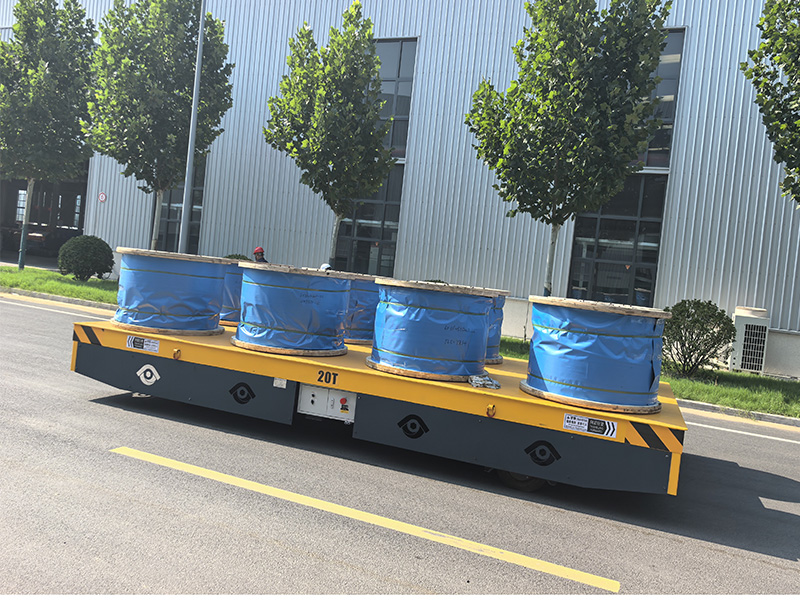
II. Customer Feedback Case Study
Recently, Peisa’s Foreign Trade Department received feedback from a customer reporting excessive noise from their newly manufactured trackless transfer cart. We initiated a diagnostic process to investigate the issue.
After thorough inspection, we discovered the noise was caused by poor meshing between the wheel and gear. During assembly, some screws had been tightened unevenly, leading to unbalanced gear operation and abnormal noise. We recommended disassembling the wheel assembly, tightening the screws evenly, and applying high-performance grease to the gear contact areas. After this adjustment, the noise was significantly reduced, and the equipment resumed normal operation.
To ensure uninterrupted usage, we also shipped new parts to the customer, even though they might not be needed immediately.
III. Conclusion: Regular Maintenance is Essential
With frequent use, even small issues in a trackless transfer cart can escalate into serious failures. Therefore, we recommend the following best practices:
Conduct regular inspections of critical components.
Perform quarterly maintenance on the electronic control system, reducer, and drive wheels.
If unusual noise occurs, stop using the equipment immediately and contact the manufacturer’s technical support team.
Peisa Machinery is committed to providing customers with high-quality, low-noise material handling solutions. If you encounter any issues during operation, feel free to contact us. We will provide prompt, professional technical support.


